Benefits of Minimally invasive surgery Improved Recovery and Precision Care
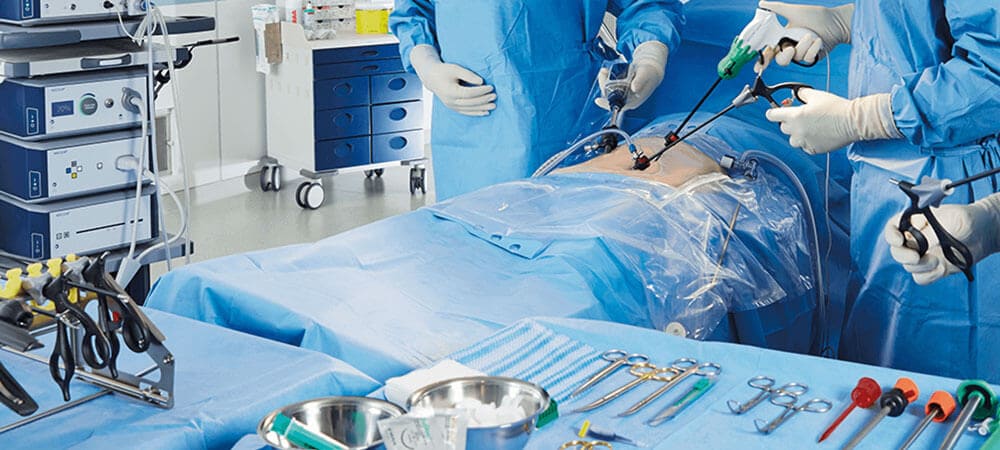
Minimally invasive surgery is a surgical technique that uses small skin incisions (less than an inch in size) and specialised equipment to accomplish the procedure. Among the procedures are:
Hysteroscopy visualises the uterine cavity using a tiny, thin telescope (a hysteroscope) with no incisions. This is frequently done while looking for abnormal uterine bleeding.
Laparoscopy examines the pelvic anatomy by passing a tiny telescope via small abdominal skin incisions. The laparoscope (camera) transmits live images to a video monitor, allowing the surgeon to see the anatomy and execute complicated surgery on the patient with little harm. The da Vinci Robot, a surgical instrument that may be required for certain types of procedures, is used in a subset of laparoscopic surgeries.
Laparoscopic surgery may be used to diagnose and treat pelvic discomfort, scar tissue, uterine fibroids, and ovarian cysts. Laparoscopy is another typical method for safely removing the uterus or ovaries.
Hysteroscopy allows the doctor to view into the uterus without making any incisions. This treatment is frequently used to determine the source of irregular bleeding, discomfort, fibroids, polyps, intrauterine scar tissue, or other structural abnormalities.
Specialised hysteroscopes can even cure these diseases by removing fibroids, polyps, or scar tissue. All of the aforementioned can also be removed via a procedure known as endometrial ablation
Are you ready to investigate advanced and minimally invasive gynaecological procedures? Consult Dr. Sahithi Balmuri now to take the first step towards a more pleasant and efficient solution. Learn about the advantages of cutting-edge, minimally invasive treatments for faster recovery and better results. Your path to better health begins here—schedule your consultation now and feel the difference!
- 01. What are minimally invasive gynecological procedures?
- These are treatments done using small incisions and advanced tools. They are commonly used for conditions like fibroids, cysts and endometriosis with less impact on the body.
- 02. How are minimally invasive procedures different from traditional surgery?
- They use smaller cuts instead of large incisions. This usually results in less pain, minimal scarring, shorter hospital stay and quicker recovery compared to open surgery.
- 03. When are minimally invasive procedures recommended in gynecology?
- They are recommended when surgery is needed but can be done safely with advanced techniques. Doctors may suggest them for fibroids, abnormal bleeding or pelvic pain after proper evaluation.
- 04. What is the recovery time after minimally invasive surgery?
- Recovery is generally faster than traditional surgery. Most patients can return to daily activities within a few days to a couple of weeks, depending on the procedure.
- 05. Are minimally invasive procedures safe?
- Yes, they are considered safe when performed by experienced specialists. Proper assessment, skilled surgeons and good hospital support help reduce risks and improve outcomes.
- 06. How do I choose the right doctor for minimally invasive gynecological procedures?
- Look for training, experience and access to advanced facilities. A doctor skilled in laparoscopic or robotic techniques can guide you on the most suitable treatment option.